The Ultimate Fishing Gear Handbook: From Lures and Lines to Attire
The Ultimate Fishing Gear Guide provides a extensive summary of essential gear for fishermen. It discusses the importance of choosing suitable rods and reels with tackle customized to unique fishing preferences. Additionally, the guide highlights the importance of maintaining gear and the potential benefits of improving. Comprehending these factors can significantly impact the fishing experience. Anglers may discover they questioning whether their existing gear collection truly meets their requirements as they explore what lies ahead.
The Necessary Fishing Tackle: What You Require to Get Started
When starting a fishing trip, understanding the crucial tackle can greatly improve the adventure. A well-rounded selection of fishing gear is critical for achievement. First and foremost, anglers need fishing line, which serves as the link between the rod and the catch. Selecting the right type and strength according to the target species is important. Additionally, hooks come in different sizes and shapes, each designed for specific bait and fish types.
Whether live or artificial, baits play a vital role in attracting fish. Weights, also known as sinkers, help keep the bait in the targeted spot underwater. In addition, bobbers or floats provide a visual cue when fish bite. Lastly, tackle boxes are crucial for organizing and keeping equipment efficiently. With this essential tackle, anglers can embark on their fishing excursions with confidence, assured that they have the proper tools to improve their chances of success.
Picking the Best Angling Equipment: Types and Recommendations
Finding the perfect angling rod is a crucial decision that can significantly influence an fisherman's whole experience. Several types of rods address different fishing styles and conditions. Standard rods, excellent for fresh anglers, present versatility and user-friendliness, while baitcasting rods deliver exactness for skilled fishermen aiming at larger aquatic life. Specialty rods, created for fly angling, are specialized for projecting featherweight lures effectively.
Rod length and action are moreover critical parts. Longer rods maximize casting distance, making them perfect for open waters, whereas shorter rods supply better control in tight spaces. The rod's action—slow, medium, or fast—determines its responsiveness and sensitivity, affecting the angler's ability to detect bites.
The material is significant too; graphite rods are lightweight and sensitive, whereas start now fiberglass rods deliver durability. By evaluating these factors, anglers can pick a rod that suits their fishing preferences and boosts their overall enjoyment on the water.
Choosing the Best Fishing Reel for Your Style
What method should one use to select the perfect fishing reel that matches their style? Selecting a fishing reel involves weighing various aspects that align with personal preferences and fishing techniques. First, anglers should pinpoint the type of fishing they plan to pursue, whether it's freshwater or saltwater, as this substantially affects the reel's durability and design.
Following that, the preference between spinning reels and baitcast reels can illustrate an angler's skill set and fishing method. Spinning reels are usually intuitive, excellent for newcomers, while baitcasting reels supply exactness for experienced fishermen.
Line capacity and drive ratio are also necessary; higher gear ratios yield swifter retrieves, ideal for vigorous fishing. Finally, assessing the reel's weight and balance with the preferred rod can heighten overall pleasure during prolonged sessions on the water. By examining these factors, anglers can smartly select a reel that improves their fishing pursuit.
Top Gear for a Smooth Fishing Experience
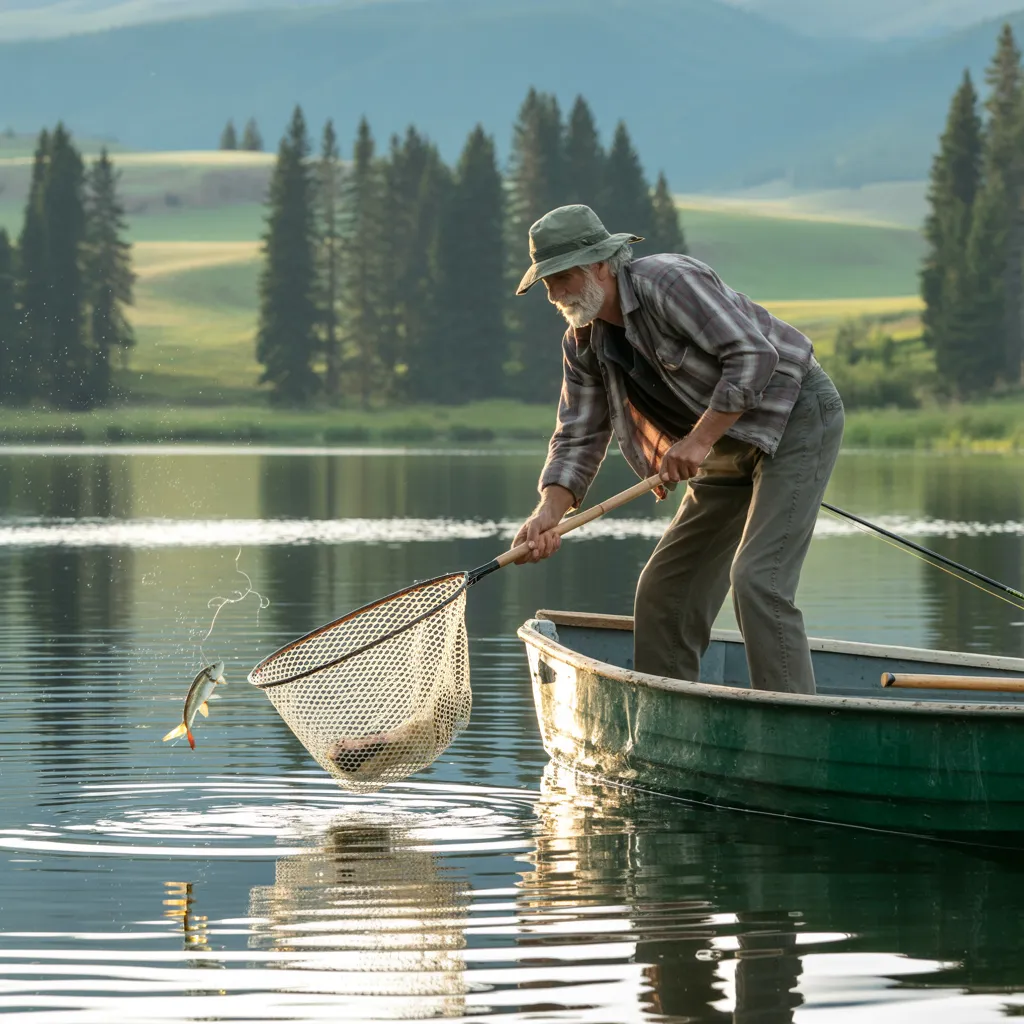
A well-equipped angler knows that the proper accessories can significantly improve the angling adventure. Essential tools such as tackle boxes and bait containers maintain gear organized and easily accessible. A quality fishing net is vital for safely landing fish, while a durable measuring tape ensures compliance with regulations.
Additionally, a dependable multi-tool can help with various tasks, from cutting line to replacing hooks. Anglers also enjoy using a angler's seat or movable ice chest, offering comfort and ease during extended fishing trips.
For people entering different environments, a waterproof dry bag shields valuable equipment from the environment. Finally, a reliable pair of polarized sunglasses decreases glare on the water, enhancing visibility and allowing you to spot fish. Together, these accessories enhance a more enjoyable and efficient fishing experience, helping fishermen to concentrate on what truly matters: the thrill of the catch.
Angling Apparel Are Essential: Comfort and Security
Fishing clothing plays an essential role in enhancing the overall adventure on the water. Proper attire provides vital safeguarding against fluctuating weather conditions, while also ensuring comfort during long trips. Additionally, thoughtfully designed gear permits for enhanced mobility and flexibility, making it more convenient for anglers to traverse their surroundings.
Weather Protection Features
Defending yourself from the weather is important for an enjoyable fishing experience. Weather conditions can vary dramatically, which makes specialized fishing apparel vital. Waterproof jackets and breathable fabrics shield anglers from rain and wind, helping they remain dry and comfortable. UV-protective clothing offers protection against harmful sun exposure, lowering the risk of skin damage during long hours outdoors. Furthermore, insulated layers give warmth in cooler temperatures, preventing discomfort that could end a fishing trip prematurely. Hats and gloves add extra protection from sun and cold, allowing for extended time on the water. Ultimately, investing in quality fishing apparel not only protects the body but also boosts focus and enjoyment, making every fishing expedition a more successful and pleasant venture.
Ease Across Prolonged Drives
What ways can the ideal fishing apparel transform long angling trips into pleasant experiences? Choosing appropriate fishing clothes significantly enhances comfort by managing temperature and moisture. Lightweight breathable fabrics remove sweat, preventing discomfort during warm days, whereas insulated layers provide warmth during cooler times. Furthermore, fishing apparel made for fishing usually includes UV protection to protect skin from harmful rays, along with waterproof fabrics that keep anglers dry in unpredictable weather.
Anatomical constructions that support prolonged wear improve comfort by minimizing fatigue. When anglers feel comfortable in their clothing, they can focus on the experience, enhancing concentration and enjoyment. Ultimately, investing in quality fishing apparel is crucial for optimizing the comfort and satisfaction of long fishing excursions.
Optimized Locomotion and Elasticity
Comfortable apparel not only improves extended angling expeditions but also serves a critical function in ensuring mobility and flexibility. Appropriate fishing attire, including light and flexible materials, allows anglers to shift with ease, whether throwing casts or reeling in catches. Elements like articulated seams and customizable sizing additionally improve comfort, reducing restrictions during different movements. Additionally, sweat-absorbing fabrics help regulate body temperature, avoiding discomfort from perspiration and moisture. The proper shoes is equally vital; non-slip, supportive shoes offer stability on slippery surfaces, boosting general mobility. Ultimately, investing in versatile and functional fishing apparel can significantly enhance results, enabling anglers to focus on the activity rather than their discomfort. Therefore, ideal mobility and flexibility are indispensable elements of successful angling equipment.
Extending Your Fishing Gear for Extended Life
Upkeeping fishing gear is critical for preserving its durability and performance. Frequent cleaning methods aid in clearing dirt and salt deposits, while correct storage techniques safeguard equipment from damage. Collectively, these approaches contribute to a more gratifying and successful fishing experience.
Everyday Sanitation Routines
Routine upkeep is important for extending the durability of fishing gear. After every use, anglers need to rinse rods, reels, and tackle with fresh water to eliminate salt, dirt, and debris. This straightforward step prevents corrosion and deterioration. Disassembling reels and cleaning their components with a soft brush ensures dirt does not hamper functionality. Furthermore, inspecting the line for frays and replacing it when necessary improves performance. Rod guides should be inspected for damage and cleaned to ensure smooth line movement. Lastly, consistently wiping down surfaces with a soft cloth keeps gear looking new and helps spot any potential problems early, preserving optimal performance for upcoming fishing excursions.
Proper Organization Techniques
Effective keeping methods are crucial for ensuring the longevity of fishing gear. Correct keeping prevents damage and wear. Storing rods upright or in rod holders is important to prevent bending or breakage. Cleaning and lubricating reels prior to storing them in a protective case shields against dust and moisture. Tackle boxes should be kept in a cool, dry location, with lures and hooks organized to prevent tangling and rust. Fishing lines must also be kept on spools, protected from direct sunlight, to avoid weakening. Using breathable storage bags for apparel helps protect fabric integrity. Employing these storage techniques allows anglers to significantly lengthen their equipment's lifespan, leading to many productive fishing trips.
When and Why to Upgrade Your Fishing Equipment?
What is the correct moment to invest in fishing gear? Fishermen ought to weigh upgrading their gear upon observing a decrease in performance or when specific requirements arise. For example, when a fisherman regularly encounters bigger fish, upgrading the rod and reel quality is vital. Also, upgrading technology, such as improved line sensitivity or lighter materials, can improve the fishing experience.
An additional important factor is the regularity of fishing trips. Frequent fishers might benefit from investing in higher-end equipment that offers longevity and reliability over time. Weather shifts can also trigger upgrades; for instance, shifting from inland water to saltwater fishing often necessitates varied gear. Furthermore, individual improvement in abilities can trigger the requirement for more advanced instruments. Ultimately, upgrading fishing gear fosters improved results, increases success rates, and improves overall satisfaction, making it a valuable thought for serious fishing devotees.
Often Raised Inquiries
Which Fishing Spots Are Greatest for Beginners?
Beginner anglers often find success at local lakes, calm rivers, or ponds. These locations typically offer easy-to-reach banks and plenty of fish, making them perfect for mastering casting skills and building confidence in their fishing skills.
In What Ways Do Weather Conditions Determine Fishing Success?
Environmental conditions substantially influence fishing success. Overcast days often boost fish activity, while high temperatures can lead to diminished feeding. Wind can aid or impede, influencing bait visibility and fish behavior, ultimately impacting catch rates.
What Authorizations or Credentials Do I Need to Engage in Fishing?
Obtaining a angling permit or permit is generally necessary to fish lawfully, and requirements differ by location. Fishing rules may call for additional permits when targeting specific fish or particular areas, emphasizing why reviewing regional regulations matters before you depart.
Can You Find Fishing Gear Rental Choices?
Yes, different angling gear rental alternatives are obtainable, comprising local shops, guided tours, and online platforms. These options typically supply rods, reels, tackle, and other essentials, serving both beginners and skilled fishermen desiring simplicity.
How Can I Safely Let Go of Fish After Catching?
To securely return fish, rinse your hands before manipulating, minimize air exposure, and dislodge hooks gently. If firmly hooked, slice the line. Sustain the fish in water until it escapes, ensuring a successful liberation.